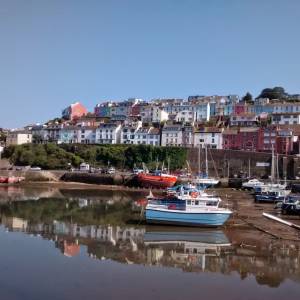
Why Boatshed exists and why it still matters.

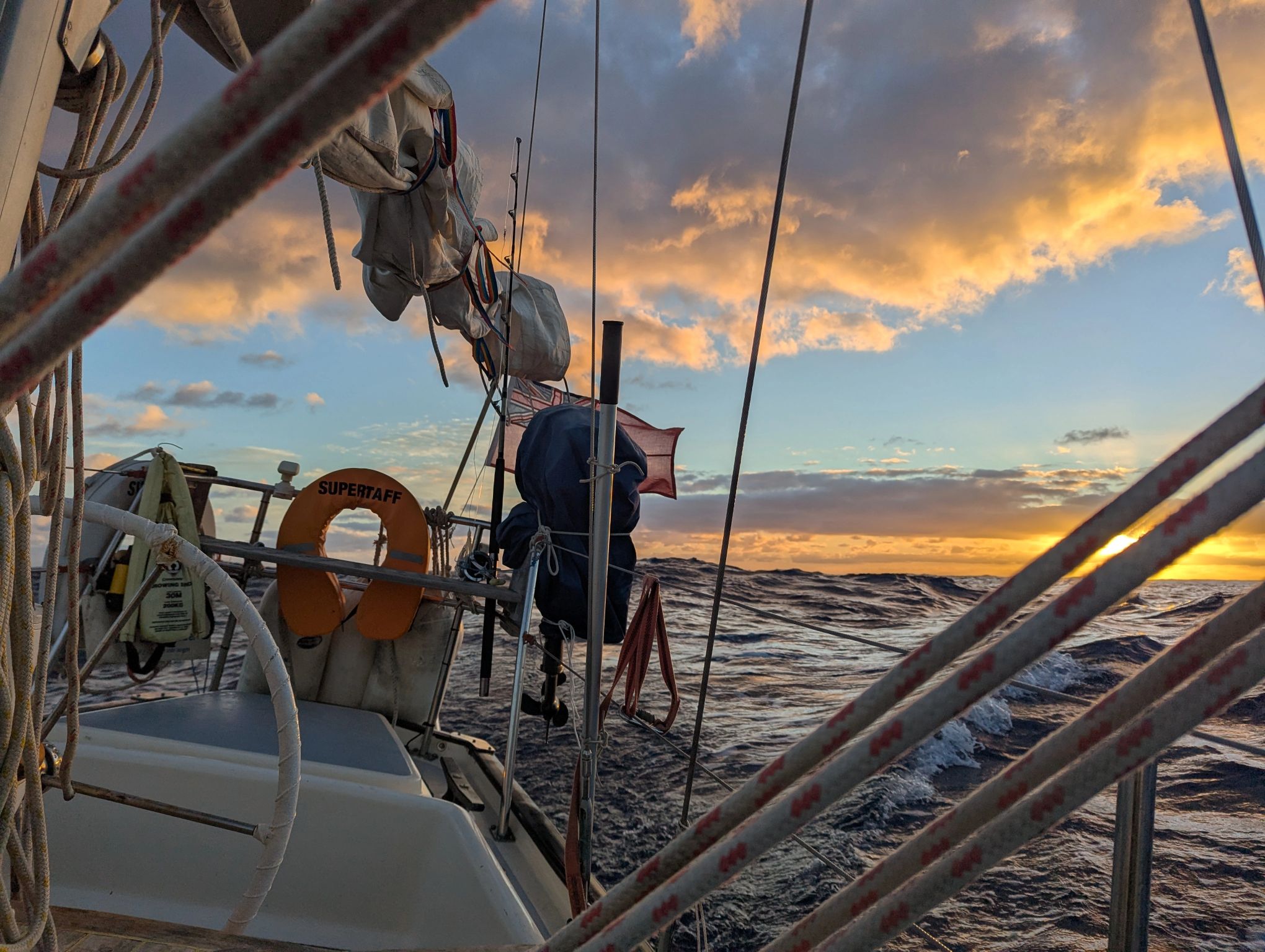
A transatlantic passage on the ARC2025 rally gave time for Neil Chapman, founder of Boatshed, to reflect on how Boatshed started and why it still matters today.
"I started Boatshed in 1999 after a ten-month sabbatical sailing my 41-foot boat made it clear that I couldn’t go back to my old job.
I’ve been sailing most of my life, and spending that long on the water changes how you see boats - and how you see the people buying them. Boats aren’t commodities when you live with one. They’re decisions that shape how you spend your time, your money, and your freedom.
Boatshed grew out of that realisation. Honest listings, no games, systems that let you see what's actually out there - not just what someone wants to sell.
Twenty-five years later, we’re still here. Still private. Still run by a small team split between the UK and the States who’d rather be on the water than in a boardroom.
If you’re looking at boats, you should know who’s helping you look"
The Problem We Set Out to Fix.
When we opened in Milford Haven, we sat in the office waiting for buyers to visit. They rarely did. If we sold ten boats a year, we were doing well.
The problem wasn’t the location-it was information - or rather, the lack of it.
In 1999, most yacht listings read the same: “Well maintained.” “Ready to sail.” “Recent survey available. ”Buyers would drive three hours, step aboard, and find wiring held together with electrical tape or bilges they’d never seen in the photos.
The industry ran on selective disclosure. Show the varnished teak and the sunset cockpit shot. Skip the engine room.
Don’t photograph the sail fabric up close. Let people discover the problems after they’d already invested a weekend getting there.
It wasn’t malicious. It was just how yacht brokerage worked.
Boatshed was built on a simple idea: buyers shouldn't have to waste a day and a tank of fuel to learn what the seller already knew.
We decided to photograph everything - bilges, engine rooms, wiring, upholstery wear. The parts of a boat that matter more than the teak. That meant hundreds of photos when others used a dozen, and plain condition notes instead of sales copy. Boats described honestly, not optimistically.
We put it all online and called the business Boatshed.
First year: 118 boats sold.
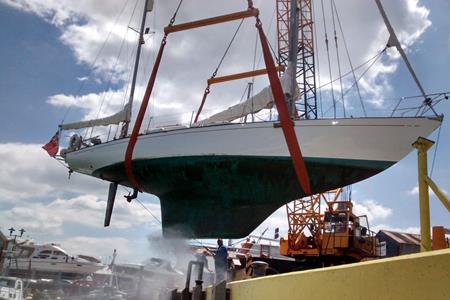
The internet made information accessible. It didn't make it true. Listings look better now, but they rarely tell you more. As the industry consolidated and the fleet aged, the gap between marketing and reality widened.
Boatshed didn't change. We believe buyers should know exactly what they're getting - the good and the bad. Does that mean we lose some quick sales? Sure. But it means people trust us. In a market where most boats are old and most purchases are compromises, it's more useful now than it was in 1999.
Over time, this approach compounded - quietly, but measurably
Boatshed has now been operating for 25 years. We've sold over 30,000 boats, to more thana million registered buyers, with a sell-through rate that reflects realistic pricing rather than optimism.
None of that happened quickly. It happened by showing people what they were actually buying.
That's all for now, but we'll keep sharing what we're working on, and what we're learning along the way.